País
A Love Letter to my Bathtime Wine

I believe the first taste of País landed in my glass in the varietal form of what is called ‘Listán Prieto.’ I was on the island of La Palma in the Canaries on my 2017 yolo travels through Spain, meeting the lovely Vicki Torres and tasting through the island’s more widely planted varieties. I remember feeling how gorgeous the wine was, how lightly fruity and soft, how elegant and comforting and of course, how mineral.
Listán Prieto originated in Castilla-La-Mancha and was planted by the Spaniards as they dabbled in colonization of both the Dominican Republic and the Canary Islands before making their way further south. Listán Prieto finally made its way down through South America, arriving in Chile as ‘País’ and in Argentina as ‘Criolla Chica.’ In Argentina, it became one of many Criolla varieties—a term used here to describe wine but encompasses music, people and cuisine of Spanish descent. The grape was then brought to the Americas in the 16th century by Spanish missionaries where it was aptly named ‘Mission,’ as it was served at Spanish Missions as sacramental wine, table wine and brandy.
Today we are going to focus on País and the love story it has written on the nooks of my newly remodeled bathtub. When the Spanish priests first landed in Chile they arrived with País cuttings in hand and the hot pursuit of planting vines for sacramental wine. The native population however, known as the Mapuche, gave it a giant ‘hell no’ and attempted to burn to the ground the plantings, crops and really everything the Spaniards had built. In the end, three centuries of the Arauco War and fierce Indigenous resistance couldn’t fully stop the Spanish colonizers. The Spanish priests were simply not trying to fuck around without their sacramental wine and País was now a Chilean variety. Conversely, the Mapuche stay fighting to this day for land, rights and agriculture and remain an influential voice in Chilean politics and movements. Salud
For a strong while everybody and their Chilean mother was drinking País. The variety is high-yielding, loves poor soils and works well with heat and drought so there was no shortage of this pup to go around. This sacramental wine was kind of going viral. Eventually the mid 19th century brought wealthier Chileans to Europe for travel and leisure and as they tasted the sweet juice of Bordeaux, País became an afterthought. They began bringing pre-phylloxera Cabernet cuttings back to Chile for planting and Cabernet took the place of País as the most widely planted variety by the 21st century. More international varieties were soon follow in Cab’s footsteps and País was eventually left for bulk and working class wine.
While I will drink any wine out of the jug of a working class Chilean, in 2010 the Frenchman Louis-Antoine Luyt started paying attention to some 200 yr old abandoned País bush vines and started to really percolate on how to make things nice. Chileans themselves were also on this tip around the same time or soon after and as Luyt was making a carbonic, Beaujolais style of País, the Chileans were making a heartier País more conducive to the old style. I will drink them all.
Here we are today where bottles of País line the shelves of my SF Mission wine bar, fill my glassware during bathtime and offer the splendid experience of a delicious wine at a very high value. País has become a staple of most natural wine bars I frequent in both the U.S. and Spain and it is a solid go-to when you want to enjoy a fresh wine with generally low alcohol pretty much any time of the day.
The basic bitch that I am appreciates a style called ‘Pipeño,’ the original gangster, the cloudy expression dating back to the 1600s used for a blanket name for the refreshing, pretty style of País meant to be drunk young. Peasant wine, as it were. Fresh, fruity, brambly, strawberry and raspberry vibes with a little rustic whisper and a backbone of medium to high, very delicate tannins. Yum. There are of course more serious, fuller-bodied, deeper styles as well but País remains felicitous. Maule, Itata, and Bío Bío Valleys currently hold most of the País plantings in Chile. The low intervention, light, natural style of País is where I lay warmly obsessed. Geology, proximity to ocean and the Andes and poor soils planted with pre-phylloxera bush vines bless producers with the ability to make raw, natural wine- not needing to add chemicals or even a lot of sulfur to bottlings. Vines are planted both coastal and inland. Until somebody takes me to Chile I’ll be drinking this wine with tapas, poultry, fattier fish and late night bathing rituals. Below are just a few wines you should look out for while shopping the shelves of El Chato or your local wine shop. Start with a Pipeño, chill it down a little and get your Chilean vibes going. Follow me on instagram for more bottle pics and País bathtime ideas. Salud.
Catlina Ugarte Itata ‘Pipeño’ - Catalina Ugarte studied winemaking in Italy, Spain and Chile before hunkering down in the Itata Valley to bottle her own wine. I’m not sure she is making this wine anymore so if you see it, grab it while you can. Centenarian País vines. Bright and aromatic, cherries and raspberries, elegant tannins. Yum.
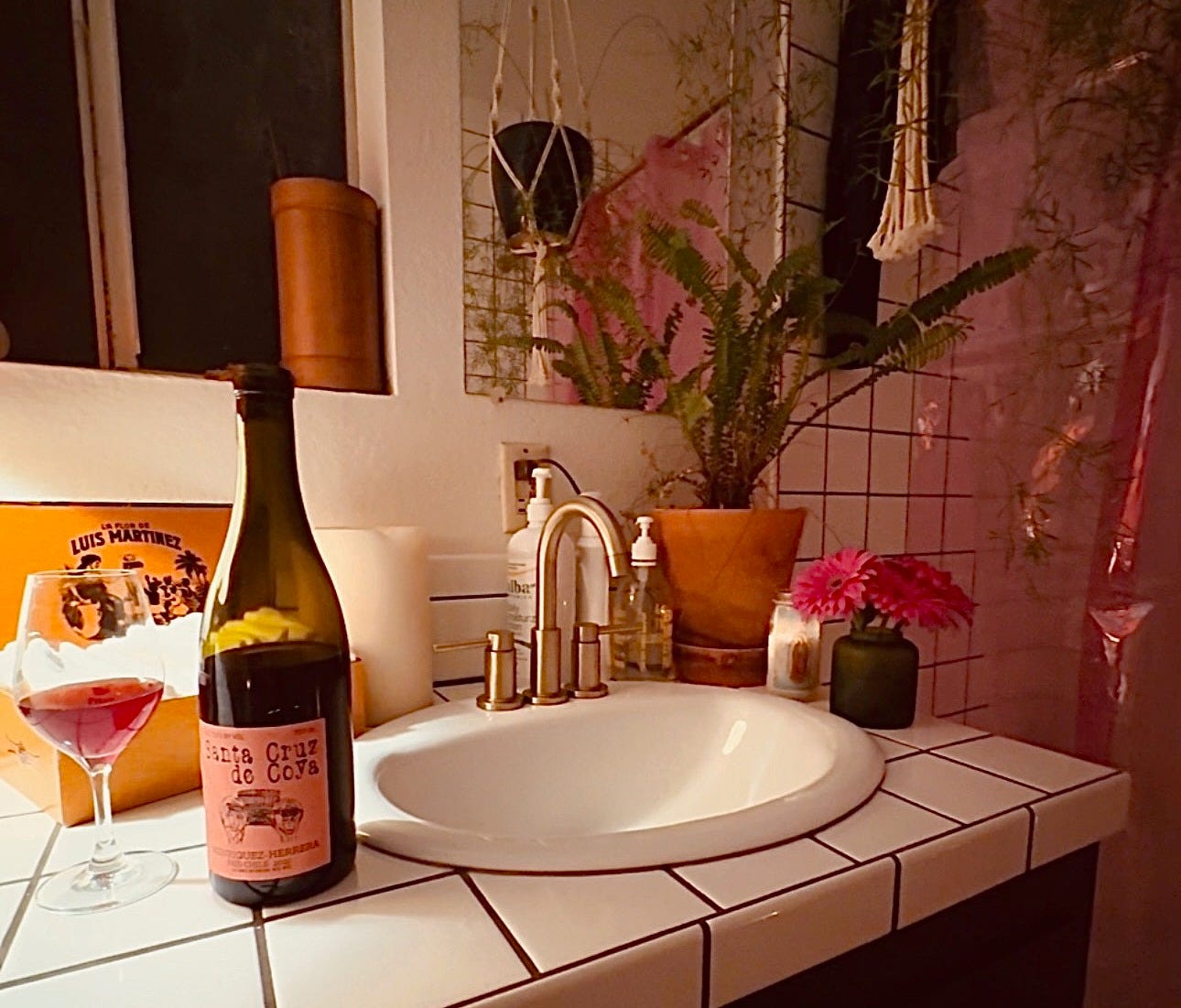
Roberto Henriquez - Santa Cruz de la Coyo País is pictured above but honestly any wine of his you pick up will be an amazing choice. Roberto is deep rooted in the culture and history of Chile and farms his own vineyards in the Bío Bío Valley. His skin contact wines are so crisp, herbal and refreshingly aromatic while his reds range from vivid and pretty to rustic and structured.
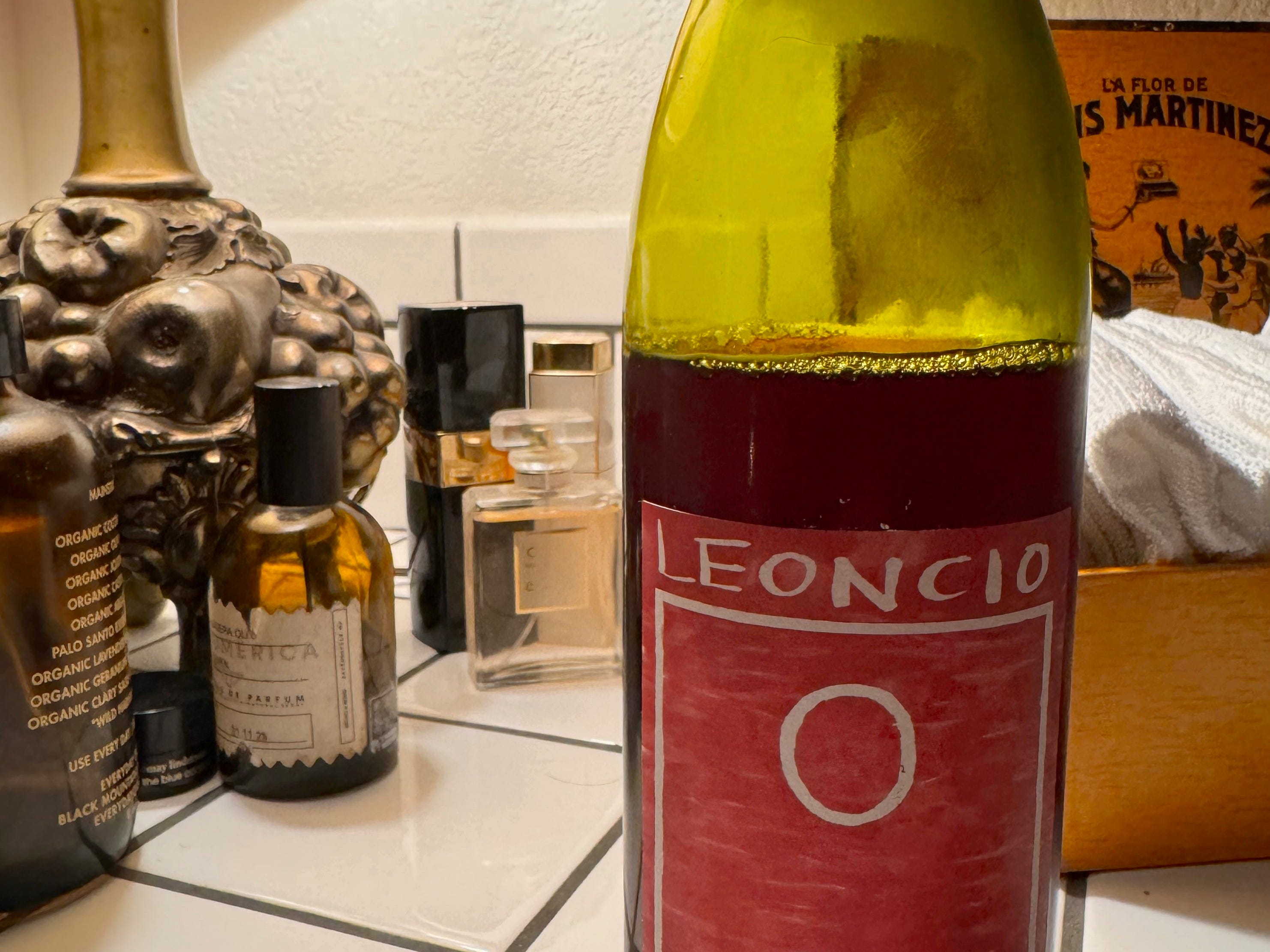
Leoncio País from 150 year old vines in the Itata Valley. This wine spends only 8 days on the skins after destemming so you are looking at a super light iteration of País best served with a chill. So soify, so fun, so tasty and still delightful the next day.